Finding a free-first shopping extension wedge from paid review pain
A daily paid-extension research recap on using low ratings, paywall complaints, and local feasibility when the strict mid-user growth pool is empty.
Today’s research started with confirmed paid signals and growth rankings. Under a strict filter of mid-sized user count, confirmed paid status, 30-day growth, and low-risk categories, the result pool was empty. That matters: growth alone is not enough when many fast-moving samples lean into account automation, downloads, ad blocking, or server-heavy workflows.
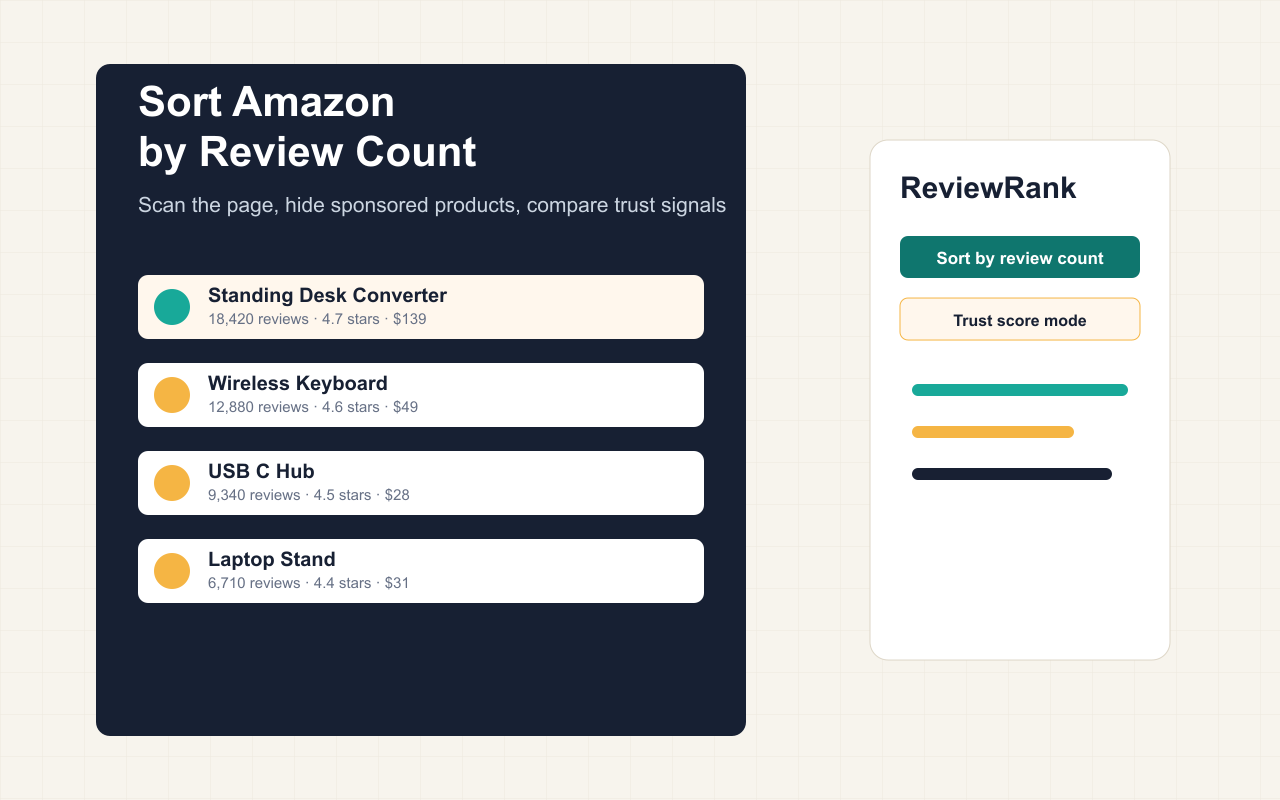
The useful signal came from a small shopping-search action: users want to reorder results by trust signals instead of accepting default ranking and sponsored placement. This public version does not disclose the competitor name, extension ID, links, or the full candidate table. The pattern is what matters: a clear one-click job, paywall complaints in reviews, a client-side implementation path, and no strong UX moat from the paid incumbent.
The internal report keeps the full evidence chain: payment platform, user count, rating, review pain, keyword competitor pool, source download analysis, payment product creation, WXT build, localization, store copy, asset-size checks, and code review.
The repeatable lesson is that a free-first extension should not start as a broad shopping suite. A better first release makes one paid, proven action free, reliable, low-permission, and account-free. Once users build the habit, automation rules, bulk export, marketplace presets, and backup/restore become more credible Pro features.